Personal loans for vacations: what are the advantages and disadvantages?
Discover the advantages and disadvantages of using a personal loan for your next vacation. Check out details
What are the advantages of personal loans for vacations?

Planning a dream vacation can be exciting, but the cost isn’t always easy to manage. Flights, accommodation, meals, transportation, and entertainment add up quickly, often faster than your savings can keep up.
That’s why many Americans consider using a personal loan to fund their vacation plans. While it can be a practical solution for some, it also carries important financial implications that shouldn’t be ignored.
Understanding the advantages and disadvantages can help you decide whether a personal loan is the right choice for your next getaway.
Why Some Americans Turn to Personal Loans for Travel
As travel becomes a higher priority for many people, the idea of financing a trip through a personal loan has gained traction.
Personal loans are typically easy to apply for, offer predictable monthly payments, and can be used for nearly any purpose, including vacations.
Unlike credit cards, which often come with high interest rates and variable minimum payments, a personal loan provides structure and clarity.
The Advantages: When a Personal Loan for a Vacation Makes Sense
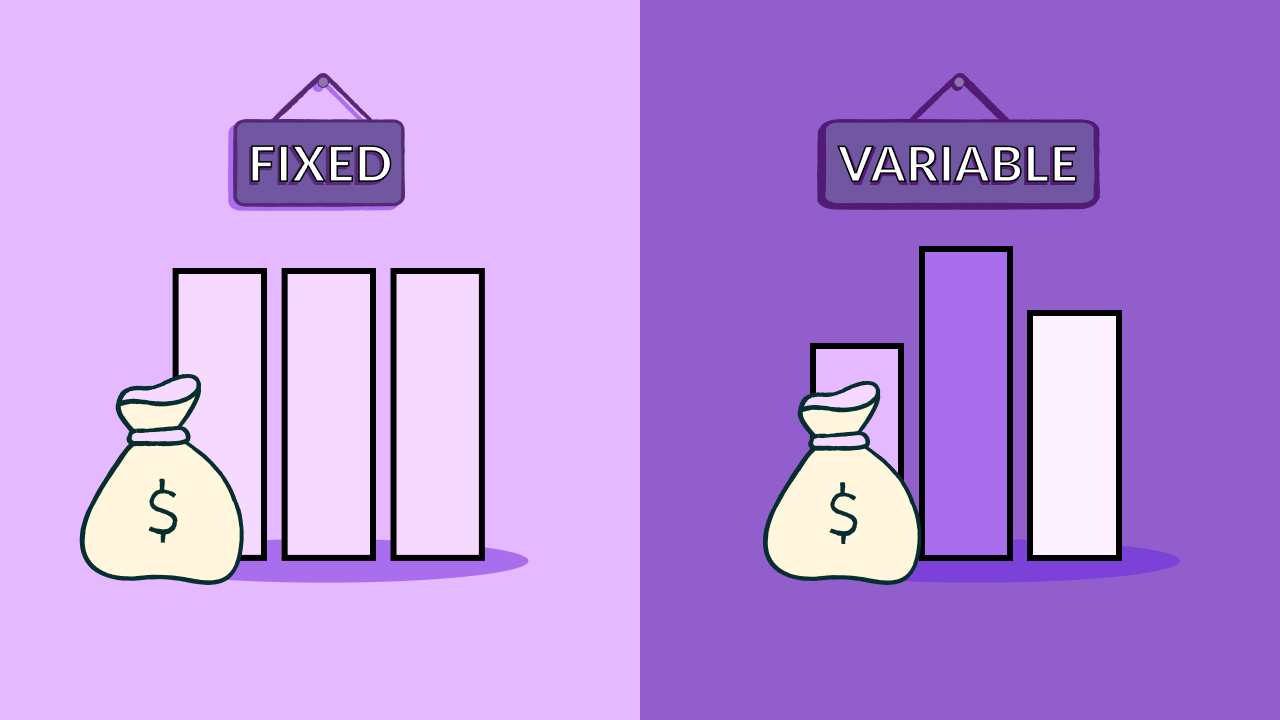
One of the biggest advantages of using a personal loan for a vacation is the fixed interest rate. This means your monthly payment never changes, helping you stay on track with your budget even after you return home.
For borrowers with good or excellent credit, personal loan rates may also be significantly lower than high-interest credit cards, which often exceed 20 percent APR. Saving money on interest allows you to enjoy your trip without the pressure of mounting credit card balances.
Another benefit is the flexibility in loan usage. Lenders don’t require you to explain the purpose of the loan in detail, and the funds can be used for any travel expense, flights, tours, hotels, or even emergency costs that come up during your trip.
This level of freedom makes personal loans appealing compared to specialized travel financing options that may include restrictions or additional fees.
The Disadvantages: What You Need to Consider Before Borrowing
Although the convenience of a personal loan is appealing, the downsides are equally important. The most obvious is the debt burden you’ll be carrying after the vacation ends.
Once the excitement fades and everyday life resumes, you’re left with monthly payments that can stretch for years depending on your loan term.
Interest is another significant factor. Even with a lower rate than a credit card, a personal loan still increases the overall cost of your vacation.
A $5,000 trip, for example, might end up costing much more once interest is added.
Borrowing for discretionary spending can delay progress on long-term financial goals such as saving for a home, building an emergency fund, or paying off student loans.
There’s also the risk of borrowing more than you need. Because personal loans often allow higher loan amounts than a typical credit card transaction, some borrowers may feel tempted to upgrade their vacation beyond what they originally planned.
How to Decide If a Vacation Loan Is Right for You
The decision comes down to your financial stability, long-term goals, and personal preferences.
If you have a solid credit score, a steady income, and a clear plan for repayment, a personal loan may be a practical way to experience a trip you’ve been dreaming about.
However, if taking on new debt would jeopardize your budget, increase financial stress, or delay meaningful goals, it might be better to postpone the trip or explore alternatives like a savings plan or cash-back rewards strategies.
Final Thoughts
A personal loan can make it possible to take a memorable vacation without draining your savings, but it also brings long-term financial responsibilities.
The key is to weigh the benefits of predictable payments and potentially lower interest against the risks of long-term debt and additional costs.
Travel can be a rewarding investment in memories, but ensuring your financial well-being should always come first.
With careful planning and honest consideration of your financial situation, you can choose the option that best aligns with your lifestyle and goals.
Related content
Differences between fixed vs variable rate loans
Understand the key differences between fixed-rate and variable-rate loans.
Keep reading * You will remain on the current website Differences between fixed vs variable rate loans
Keep reading You will remain on the current website