Changes to credit card products: when is upgrading or downgrading more advantageous?
Learn when replacing your current card makes more sense than requesting a new one, and how this can preserve your histor.
Understand the advantages of changes to credit card products.
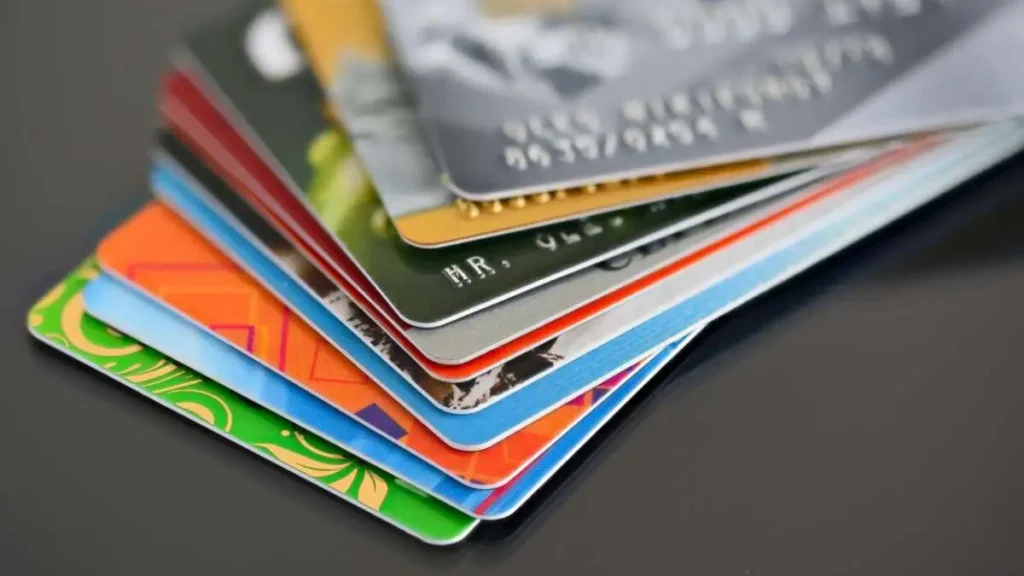
Many people assume that getting a different credit card always means filling out a brand-new application. In reality, existing cardholders often have another option: requesting a product change.
A product change happens when you ask your card issuer to switch your current card to a different one in the same family.
You may move from a basic card to a premium version, downgrade to a simpler card with no annual fee, or switch to a card that offers rewards better suited to your lifestyle.
In many situations, upgrading or downgrading your current card makes more sense than applying for a completely new one. The best choice depends on your goals, your credit profile, and how long you have had the card.
What Is a Credit Card Product Change?
A product change allows you to keep the same account while changing the type of card attached to it.
For example, you might move from a cashback card to a travel card from the same issuer, or from a premium card with a high annual fee to a no-fee version.
The biggest advantage is that the original account often stays open. That means the age of the account continues to count toward your credit history, which can help your credit score over time.
Because you are not opening a brand-new account, many issuers also do not perform a hard credit inquiry.
This can make a product change less risky if you want to protect your score before applying for a mortgage, car loan, or another important line of credit.
When Upgrading Makes More Sense
Upgrading your card can be a smart move when your spending habits or financial situation have changed.
For example, imagine you started with a basic cashback card while building credit.
A few years later, you travel often for work, spend more on dining, and want access to airport lounges, travel insurance, or higher rewards.
Instead of applying for a new premium card, upgrading your existing account may give you those benefits without creating another account on your credit report.
Upgrading often makes sense when:
- You want better rewards that match your current lifestyle;
- You are already paying enough in spending to justify a higher annual fee;
- You want premium perks such as travel protections, purchase insurance, or lounge access;
- You want to avoid a hard inquiry or a new account lowering the average age of your credit.
An upgrade can also be useful if you are unlikely to qualify for a new premium card because of a recent dip in your credit score.
Since you already have a relationship with the issuer, you may have a better chance of being approved for an upgraded version of your existing card.
However, before upgrading, compare the value of the new benefits to the cost of the annual fee. If the card charges $150 or more per year but you only travel once or twice, you may end up paying for features you rarely use.
When Downgrading Is the Better Choice
Downgrading can be just as valuable, especially if your current card no longer fits your budget.
Many people sign up for premium cards because of large welcome bonuses or temporary perks.
After the first year, the annual fee arrives and the card may no longer be worth keeping. Closing the account is one option, but downgrading is often smarter.
By downgrading to a lower-fee or no-fee card from the same issuer, you can:
- Keep the account open and preserve your credit history;
- Avoid paying a high annual fee;
- Continue using the account occasionally so it remains active;
- Keep your available credit limit, which may help your credit utilization ratio.
For example, if you have a travel card with a $250 annual fee but no longer travel often, moving to a no-fee cashback card may be a better fit. You keep the account history and available credit without paying for benefits you do not use.
Downgrading is especially helpful if you are trying to simplify your finances or reduce unnecessary expenses.
Small recurring costs can quietly hurt your budget over time, especially if you keep multiple premium cards you rarely use.
How to Decide
The best choice comes down to a simple question: do you need a different card, or do you need a different account?
If you only want different rewards or a lower fee, a product change is usually the easier and safer option.
If you want a valuable sign-up bonus, more total credit, or access to a card from another issuer, applying again may be worth it.
Take a few minutes to compare the costs, benefits, and impact on your credit score before making a decision.
A thoughtful upgrade or downgrade can save money, protect your credit history, and make your card work better for your current lifestyle.
Related content
When Should You Pay Your Credit Card to Lower
Learn when to pay your credit card before the statement closes to lower utilization and improve your credit score faster.
Keep reading * You will remain on the current website