How to Build a Net Worth Tracking System Step by Step
Learn how to build a net worth tracking system step by step and take full control of your financial growth with simple, practical strategies.
How to Track Your Net Worth and Make Smarter Financial Decisions

Understanding your financial health begins with a simple but powerful concept: net worth. It represents the difference between everything you own and everything you owe, offering a clear snapshot of your financial position at any given moment.
More than just a number, it acts as a compass, guiding your decisions and showing whether you are moving forward or standing still.
Building a net worth tracking system does not require advanced tools or technical expertise. What it requires is clarity, structure, and consistency.
Understanding What Net Worth Really Means
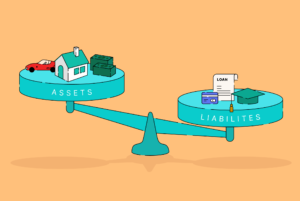
At its core, net worth is calculated by subtracting your liabilities from your assets. Assets include all items that hold financial value, such as cash, investments, or property.
Liabilities, on the other hand, are your financial obligations, including loans and debts. When you understand this equation, you gain a clearer perspective on your financial reality.
This awareness is the foundation for making better decisions and setting realistic goals.
Identifying and Valuing Your Assets
The first practical step is to identify everything you own. This process requires attention to detail and honesty.
You should include all forms of financial value, from the balance in your bank account to long-term investments and even physical assets like vehicles or real estate.
The key is to assign realistic, current values rather than relying on outdated purchase prices. By doing this, your system reflects your actual financial standing rather than an inflated or inaccurate version of it.
Mapping Out Your Liabilities
Once your assets are clear, it is time to focus on what you owe. Liabilities often include credit card balances, student loans, mortgages, and any other outstanding debts.
It is important to work with the current balance of each obligation instead of the original amount borrowed.
This step may feel uncomfortable, but it is essential for building an accurate and reliable tracking system. Transparency at this stage creates a solid base for improvement.
Choosing the Right Tracking Tool
Your tracking system should be simple enough to maintain over time. Many people find that a spreadsheet offers the ideal balance between flexibility and control.
It allows you to customize categories, automate calculations, and adapt the system as your financial situation evolves.
While apps and manual methods can also work, the most effective tool is the one you will consistently use without resistance.
Structuring Your Net Worth Tracker
With your tool in place, the next step is to create a structure that supports clarity.
A well-organized tracker typically includes sections for total assets, total liabilities, and net worth, along with the date of each update.
This structure allows you to capture a snapshot of your finances at regular intervals. Over time, these snapshots form a timeline that reveals patterns and progress, making your financial journey more tangible.
Establishing a Consistent Update Routine
A tracking system only becomes valuable when it is used regularly. Consistency is more important than frequency, but for most people, a monthly update provides the right balance.
Choosing a specific day each month helps turn this activity into a habit rather than a task you postpone.
As the routine becomes part of your schedule, maintaining your system will require less effort and deliver more insight.
Interpreting the Numbers Over Time
Recording your net worth is only part of the process. The real value lies in understanding what those numbers mean.
Over time, your tracker will reveal trends that highlight growth, stagnation, or decline. These patterns provide context and help you identify the impact of your financial decisions.
Instead of reacting to isolated changes, you begin to see the bigger picture and adjust your strategy accordingly.
Connecting Your Tracker to Financial Goals
A net worth tracking system becomes more powerful when it is aligned with clear objectives.
Whether your goal is to eliminate debt, grow your investments, or build financial security, your tracker serves as a measurable indicator of progress.
By connecting your numbers to specific targets, each update gains purpose and direction. This connection transforms your system from a passive record into an active tool for growth.
Simplifying and Improving Over Time
As you continue using your system, you may find opportunities to refine and simplify it. The goal is not to create a perfect or overly detailed tracker, but one that is sustainable.
Small improvements, such as automating calculations or refining categories, can enhance efficiency without adding complexity.
A system that is easy to maintain is far more valuable than one that is comprehensive but overwhelming.
Final Thoughts
Building a net worth tracking system is a practical and empowering step toward financial clarity. It allows you to move beyond guesswork and see your progress in concrete terms.
With a simple structure and a commitment to consistency, you can transform your financial awareness and make more confident decisions.
Over time, this habit becomes a powerful tool, helping you stay focused, disciplined, and aligned with your long-term goals.

Related content
Capital Allocation: The Forgotten Pillar
Discover why capital allocation matters more than income and how better resource allocation can transform your financial future.
Keep reading * You will remain on the current website