What Is Credit Mix and How to Optimize It for Better Credit Scores
Improve your credit score by optimizing your credit mix. Learn how revolving and installment accounts influence your credit profile.
How Credit Mix Affects Your Credit Score Over Time
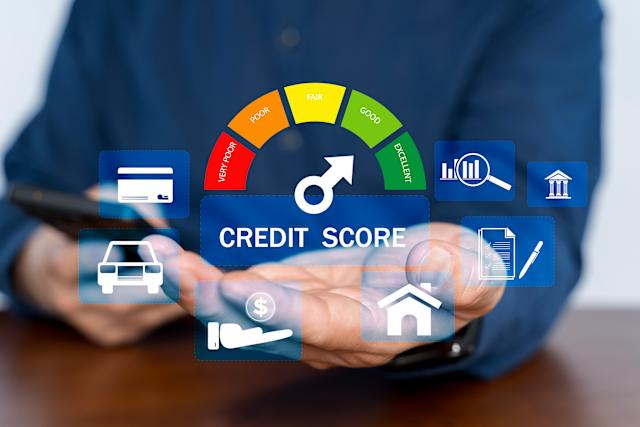
When people think about improving their credit score, they often focus on paying bills on time or lowering their credit card balances.
Having different types of credit can demonstrate to lenders that you are capable of managing multiple financial responsibilities at the same time.
Although it is not the most heavily weighted factor in credit scoring models, optimizing your credit mix can still contribute to a stronger and healthier credit score over time.
In this article, you’ll learn what credit mix is, why it matters, and how you can strategically improve it.
What Is Credit Mix?
Credit mix refers to the different types of credit accounts that appear on your credit report.
Credit scoring models evaluate whether you manage only one type of credit or several types responsibly.
The two main categories of credit are:
Revolving credit
Revolving credit allows you to borrow money repeatedly up to a specific limit. You can carry a balance from month to month as long as you make at least the minimum payment.
Common examples include:
- Credit cards;
- Lines of credit;
- Home equity lines of credit (HELOC).
Installment credit
Installment credit involves borrowing a fixed amount of money and repaying it in regular installments over a predetermined period.
Common examples include:
- Personal loans;
- Auto loans;
- Student loans;
- Mortgages.
A healthy credit profile often contains a combination of both revolving and installment credit.
Why Credit Mix Matters for Your Credit Score
Credit mix is one of the factors considered by major credit scoring models such as FICO and VantageScore.
While it typically represents around 10% of your total credit score, it still contributes to how lenders assess your financial behavior.
Having a diverse credit mix shows lenders that you can responsibly manage different types of debt.
For example, someone who successfully handles both credit cards and installment loans demonstrates a broader level of financial discipline.
How to Optimize Your Credit Mix
Improving your credit mix should be done carefully and strategically. Opening accounts solely to increase credit diversity can sometimes do more harm than good.
Here are practical ways to optimize your credit mix.
1. Use Credit Cards Responsibly
Credit cards are often the easiest form of revolving credit to maintain. Using them for small purchases and paying the balance in full each month helps build a strong credit profile.
2. Consider an Installment Loan if Needed
If your credit profile only contains credit cards, adding an installment loan may help diversify your credit mix.
Examples include:
- Personal loans;
- Credit-builder loans;
- Auto financing.
However, you should only take on a loan if it fits your financial needs, not just for the sake of improving your credit score.
3. Keep Older Accounts Open
The longer your credit accounts remain active, the more history they contribute to your credit profile.
Closing older accounts may reduce the diversity of your credit mix and shorten your credit history. If an account has no annual fee, keeping it open can be beneficial.
4. Avoid Opening Too Many Accounts at Once
Every time you apply for new credit, lenders perform a hard inquiry on your credit report. Multiple inquiries in a short period may temporarily lower your score.
Instead of opening several accounts quickly, focus on gradually building a balanced credit profile.
5. Prioritize On Time Payments
Even with a perfect credit mix, late payments can significantly damage your credit score. Payment history is the most important factor in credit scoring models.
Setting up automatic payments or reminders can help ensure you never miss a due date.
Common Mistakes When Trying to Improve Credit Mix
Many people misunderstand how credit mix works and make decisions that hurt their credit instead of helping it.
Some common mistakes include:
- Opening unnecessary loans just to diversify credit;
- Applying for multiple credit cards at once;
- Closing older accounts too quickly;
- Ignoring payment history and focusing only on account types.
A better strategy is to build credit gradually while maintaining responsible financial habits.
Final Thoughts
Credit mix is an important, but often overlooked, component of a strong credit profile. It reflects your ability to manage different types of credit, such as revolving accounts and installment loans.
While it only represents a portion of your credit score, maintaining a healthy credit mix can strengthen your overall financial reputation with lenders.
The key is balance. Rather than opening accounts purely for diversification, focus on responsible credit use, consistent payments, and keeping your balances low.
Over time, these habits, combined with a well-rounded credit mix, can help you build a stronger credit score and gain access to better financial opportunities.
Related content
Credit Card Arbitrage: What It Is?
Learn how low interest loans and investments made with those funds can generate potential profits. Check out the details.
Keep reading * You will remain on the current website