Did you run out of money before the end of the month? See how to prioritize your bills without panicking
Discover the smartest way to prioritize payments and protect your essential expenses first. Check out the details!
Are you barely surviving? Here’s how to prioritize bills without compromising the basics

There’s a moment that many people know too well: you open your bank account, look at the balance, look at the calendar, and realize there are still days, or even weeks, left until payday.
At that point, panic usually takes over. Which bill should you pay first? Is it better to avoid late fees or protect essential expenses? Should you pay the credit card minimum? Is it worth borrowing money to avoid default?
The truth is that when money gets tight, trying to pay everything at once often makes the situation even worse.
What really helps is understanding how to prioritize your bills strategically, protecting your essentials first and avoiding decisions that create a bigger financial problem later.
This guide will show you exactly how to organize your payments, reduce financial pressure, and make smarter decisions when your budget stops working.
Why trying to pay everything at once usually fails
One of the most common mistakes people make during financial stress is treating all bills as equally urgent.
Some late payments create temporary inconvenience. Others can seriously affect your quality of life, housing, transportation, access to healthcare, or future finances.
For example:
| Bill Type | What Happens If You Delay |
|---|---|
| Rent or mortgage | Risk of eviction, penalties, legal action |
| Electricity/water | Service interruption |
| Health insurance or medication | Loss of medical access |
| Car payment | Vehicle repossession |
| Credit card | High interest and debt snowball |
| Streaming services | Minor inconvenience |
When people panic, they often focus on the loudest bill, usually the one with the most notifications or collection calls, instead of the one with the biggest real-life impact.
That’s why prioritization matters more than perfection.
The first thing to do before paying anything
Before making random payments, stop and calculate three things:
Your total available money
Look at:
- Bank account balance
- Cash available
- Expected income before the next paycheck
- Any emergency savings you can realistically use
Avoid counting money you might receive. Focus only on confirmed resources.
Your essential survival expenses
These are the bills directly connected to your basic safety and stability:
- Housing
- Food
- Utilities
- Transportation to work
- Medication
- Child-related expenses
This category should always come first.
According to guidance commonly recommended by consumer protection organizations and financial educators, protecting your “financial base” prevents temporary problems from becoming long-term crises.
Your highest-risk debts
Some debts become dramatically more expensive very quickly because of high interest rates.
Credit cards are the biggest example.
According to data from the U.S. Federal Reserve and financial institutions worldwide, revolving credit card debt can carry extremely high annual interest rates, making unpaid balances grow rapidly over time.
That does not mean you should sacrifice rent or groceries to pay the card in full.
But it does mean you should understand which debts become dangerous fastest.
The safest order to prioritize bills when money is short
When income is not enough to cover everything, this priority structure usually creates the least financial damage.
Housing always comes first
Your home should be protected before almost everything else.
That includes:
- Rent
- Mortgage
- Essential property fees
Losing housing creates a chain reaction:
- Emotional stress
- Moving costs
- Difficulty working
- Family instability
- Credit damage
If you know you won’t pay on time, contact the landlord or lender immediately instead of disappearing.
Many people wait too long because they feel embarrassed, but early communication often increases the chance of negotiation.
Food and basic household needs come next
Food is not “optional spending.”
When budgets get tight, many people make the mistake of trying to preserve debt payments while cutting basic nutrition too aggressively.
That usually backfires.
Instead:
- Reduce non-essential purchases
- Simplify meals temporarily
- Focus on staples
- Avoid expensive delivery apps
The goal is stability, not perfection.
Utilities should stay high priority
Electricity, water, heating, internet, and phone services often support:
- Work
- School
- Healthcare access
- Communication
- Safety
Some utility companies also offer hardship programs or payment plans.
Check official providers and government assistance programs available in your area.
Transportation matters more than many people realize
If your car or transportation allows you to work, it becomes a priority expense. Missing work because of transportation problems can create an even bigger financial collapse.
This includes:
- Fuel
- Public transit
- Essential car payments
- Insurance required for legal driving
However, this is also an area where temporary adjustments may help:
- Carpooling
- Reducing unnecessary trips
- Pausing non-essential travel
Minimum debt payments should come after essentials
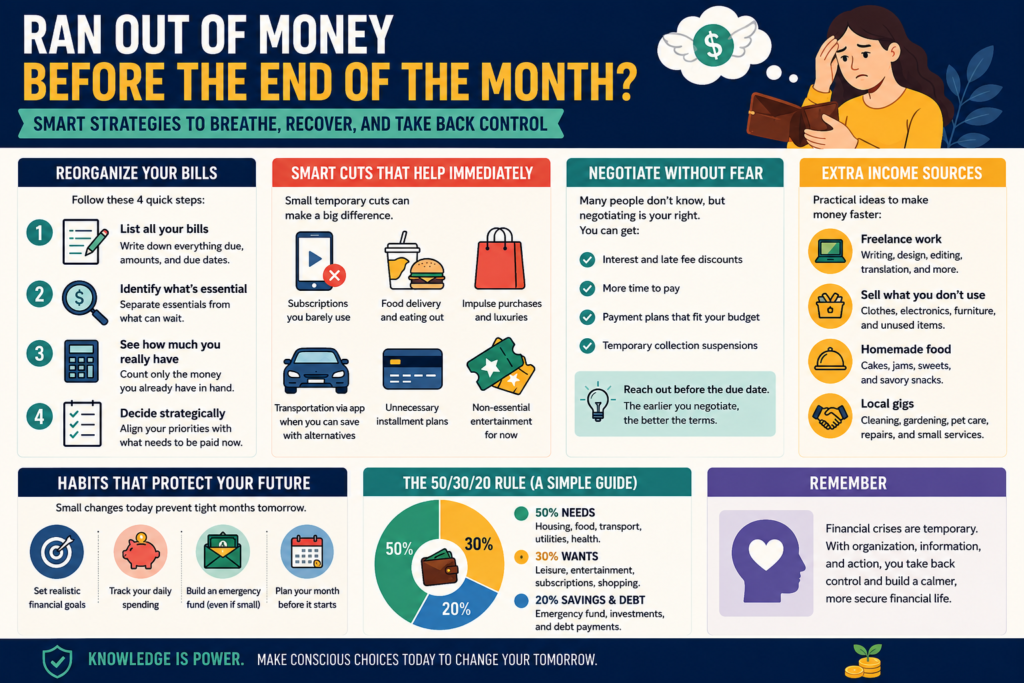
Once survival expenses are protected, focus on preventing your debts from spiraling out of control. In many cases, paying at least the minimum amount helps:
- Reduce penalties
- Avoid collections escalation
- Protect credit history somewhat
But there’s an important warning:
Paying only minimums for long periods can trap people in long-term debt cycles because of compound interest.
That’s why minimum payments should be viewed as a temporary stabilization strategy — not a permanent solution.
Bills that can temporarily wait
This is the uncomfortable part many people need to hear:
Some expenses may need to be paused temporarily.
Examples often include:
- Subscription services
- Entertainment platforms
- Non-essential shopping
- Dining out
- Luxury expenses
- Optional memberships
Cutting these expenses may feel frustrating, but temporary sacrifice creates breathing room for essential priorities.
How to decide which debt is most dangerous
Not all debt works the same way. Here’s a practical comparison:
| Debt Type | Typical Risk Level | Why |
|---|---|---|
| Credit card debt | Very high | High interest accumulation |
| Payday loans | Extremely high | Aggressive fees and short deadlines |
| Medical debt | Moderate | Often more negotiable |
| Student loans | Moderate | Usually structured repayment options |
| Mortgage/rent | Critical | Housing risk |
| Car loans | High | Transportation loss risk |
Understanding the consequence of non-payment is more important than emotional pressure from creditors.
A simple method to organize bills without panic
One practical strategy is using three categories:
| Category | Examples | Priority |
|---|---|---|
| Essential survival | Rent, food, medication | Highest |
| Financial protection | Minimum debt payments, insurance | Medium |
| Flexible spending | Entertainment, subscriptions | Lowest |
This creates clarity during emotional moments. Instead of reacting emotionally to every bill, you follow a structured plan.
How to avoid this situation happening every month
Recovering from financial stress is important. Preventing it repeatedly is even more important.
Build a small emergency buffer first
Even saving a small amount consistently helps create breathing room. According to many financial educators, the first emergency goal doesn’t need to be huge.
Even a modest reserve can reduce dependence on credit during unexpected situations.
Track spending realistically
Many people underestimate:
- Food delivery
- Subscription costs
- Small impulse purchases
- Interest charges
Awareness alone often improves financial decisions.
Create a “bare minimum budget”
This means knowing:
“What is the minimum amount I need to survive safely each month?”
That number becomes critical during emergencies.
Increase income if possible
Budget cuts alone sometimes aren’t enough. Temporary solutions may include:
- Freelance work
- Selling unused items
- Overtime
- Side gigs
- Negotiating salary increases
Long-term financial stability usually improves faster when income grows alongside spending control.
Final thoughts
Running out of money before the end of the month can feel overwhelming, embarrassing, and emotionally exhausting.
But financial pressure becomes much more manageable when you stop trying to solve everything at once.
The goal is to protect your essentials, reduce long-term damage, and create enough stability to recover step by step.
Prioritizing bills strategically doesn’t mean failure. It means making smart decisions under pressure.
And in difficult moments, clarity is often more valuable than money itself.

Related content
Emergency loans and reserve fund
Learn how to create a reserve fund to handle unexpected expenses without relying on loans or debt.
Keep reading * You will remain on the current websiteFrequently Asked Questions (FAQ)
In most situations, housing should come first because losing your home creates far greater long-term consequences than temporary credit card delinquency.
Paying only the minimum can keep accounts active temporarily, but high interest makes debt grow quickly over time. It should generally be a short-term strategy, not a permanent habit.
Housing, utilities, transportation for work, medication, and legally critical obligations should usually remain top priorities.
It depends on the situation. Keeping some emergency savings is often important because unexpected expenses can happen before the next paycheck.
You can contact creditors directly to discuss hardship options or payment arrangements. In many countries, consumer protection laws also regulate debt collection practices.