Insurance denied? Find out what might be behind it
Learn why insurance claims get denied, from policy exclusions to missing documents, and how to prevent problems before they happen.
Why Insurance Claims Get Denied: The Most Common Reasons and How to Prevent Them
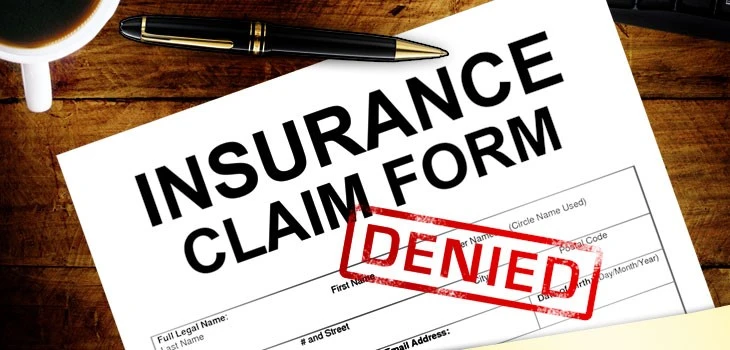
Having an insurance claim denied can be frustrating, especially when you were counting on financial support during a difficult time.
Whether it’s health, auto, home, or life insurance, a denial can feel unfair at first. However, in most cases, there are technical reasons behind the insurer’s decision.
Understanding these reasons is the first step to avoiding future issues, and even appealing the decision when possible.
Below, you’ll find the most common reasons why insurance claims are denied and what might be behind them.
Lack of coverage in the policy
One of the most common reasons for denial is simple: the event isn’t covered by your policy.
Many people purchase insurance without fully reviewing the details and assume they’re protected in more situations than they actually are.
For instance, a basic auto insurance policy may not cover flood damage. Similarly, a health insurance plan might exclude certain procedures or require a waiting period.
If the claim falls outside these conditions, the insurer has a contractual basis to deny it.
Incorrect or incomplete information
Another critical factor is the accuracy of the information provided when purchasing the policy. Inconsistent or missing details, even if unintentional, can lead to a denied claim.
In life insurance, failing to disclose a pre-existing medical condition could invalidate your coverage.
In auto insurance, stating that your vehicle is used only for personal purposes when it’s actually used for work may cause issues when filing a claim.
Insurance companies calculate risk based on the information you provide. If those details don’t reflect reality, the contract itself may be compromised.
Missed premium payments
It may sound obvious, but many claims are denied simply because the policyholder is behind on payments. Paying your premium is what keeps your coverage active.
If payments are missed or delayed, your policy may be suspended. Any incident that occurs during that lapse period typically won’t be covered.
Some insurers offer grace periods, but these vary depending on the policy terms.
Missing claim deadlines
Another common mistake is failing to report the claim within the required timeframe. Each type of insurance has specific rules about when and how a claim must be submitted.
For example, after a car accident, you may only have a limited number of days to notify your insurer and provide the necessary documentation.
Missing this deadline can lead to denial due to insufficient investigation time.
Lack of proper documentation
Even when the event is covered, missing documentation can delay, or completely block, your claim.
Insurers usually require evidence such as receipts, medical reports, police reports, or photos.
Without proper documentation, the insurance company cannot verify the claim or determine the appropriate compensation. The result? A denial due to lack of proof.
Suspicion of fraud
Although more serious, suspected fraud is another common reason for claim denial.
This can include inconsistencies in your report or situations where the damage appears intentional.
Insurance companies have investigation teams to analyze claims. If there are signs of irregularities, the payment may be delayed or permanently denied until everything is clarified.
Misuse of coverage
Some claims are denied because the insurance is used in ways that don’t match the policy agreement.
For example, using a personal vehicle for commercial purposes without declaring it can void your coverage.
Similarly, in home insurance, renting out your property without informing the insurer may change the risk profile and lead to a denied claim.
What to do if your claim is denied
Receiving a denial doesn’t mean it’s the end of the road. Start by carefully reviewing the reason provided by the insurer.
In some cases, you may be able to correct errors, submit additional documents, or formally appeal the decision.
If you believe the denial is unfair, you can file a complaint with the insurance company. If the issue isn’t resolved, consumer protection agencies or legal action may be viable next steps.
How to avoid problems in the future
The best way to avoid claim denial is to be proactive. Read your policy carefully before purchasing, provide accurate and complete information, keep your payments up to date, and follow all deadlines.
Also, make sure to store important documents and reach out to your insurer whenever you have questions about your coverage.
Final thoughts
Having an insurance claim denied can be stressful, but it rarely happens without a reason. In most cases, the explanation lies in the fine print of your policy or in errors during the claims process.
By understanding what might be behind a denial, you put yourself in a much stronger position, not only to prevent issues but also to respond effectively if they arise.

Related content
529 Plans Explained
Find out when investing in a 529 plan is more worthwhile than keeping money in a traditional savings account.
Keep reading * You will remain on the current website