Fixed or Variable Loan? Avoid a Costly Mistake Before You Sign
A small loan decision could cost you thousands. Learn whether a fixed or variable loan is the better choice for your situation.
Don’t Apply Yet: Fixed vs Variable Loans Have Hidden Risks
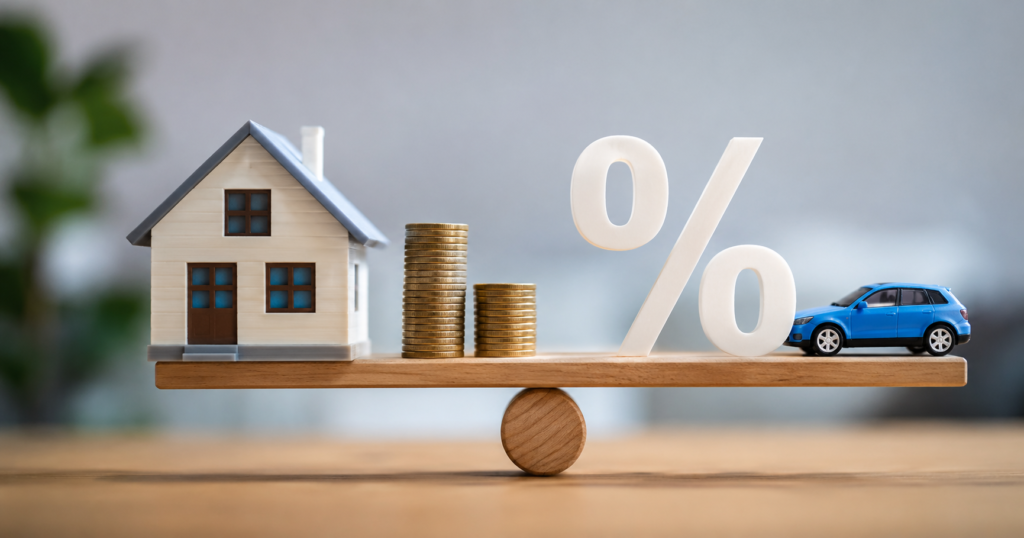
Choosing between a Fixed or Variable Loan may seem like a simple decision at first.
After all, both options allow you to borrow money and finance major purchases such as a home, car, education, or business investment.
Many borrowers focus only on the initial monthly payment and overlook how interest rates work over time.
In this guide, you’ll learn exactly how to compare a Fixed or Variable Loan, avoid common mistakes, and make a more informed borrowing decision.
What Is a Fixed-Rate Loan?
A fixed-rate loan is a loan where the interest rate remains the same throughout the entire loan term.
This means your principal and interest payments stay predictable, regardless of what happens in the broader economy or financial markets.
According to the Consumer Financial Protection Bureau (CFPB), fixed-rate loans provide stability because the interest rate is locked in when the loan is originated.
Example
Imagine you borrow $300,000 with a fixed interest rate of 6.5% for 30 years.
Even if market rates rise to 8%, 9%, or higher, your loan rate remains 6.5%.
Your monthly principal and interest payment does not change.
For many Americans, this predictability makes budgeting easier and reduces financial stress.
Advantages of Fixed-Rate Loans
One of the biggest benefits is certainty.
You always know:
- How much you’ll pay each month
- How much interest you’ll pay over time
- How long it will take to repay the loan
This predictability can be especially valuable during periods of economic uncertainty or rising interest rates.
A fixed-rate loan protects borrowers from sudden payment increases.
Disadvantages of Fixed-Rate Loans
The main downside is that fixed-rate loans typically start with higher interest rates compared to variable-rate options.
Because lenders assume more risk, they often charge a premium for that stability.
This means:
- Higher monthly payments initially
- Potentially paying more if market rates fall significantly
- Refinancing may be necessary to take advantage of lower rates
What Is a Variable-Rate Loan?
A variable-rate loan, often called an adjustable-rate loan, has an interest rate that can change over time.
Instead of remaining fixed, the rate adjusts according to a benchmark or market index.
In the mortgage market, these loans are commonly known as Adjustable-Rate Mortgages (ARMs).
The CFPB explains that ARMs usually begin with a fixed introductory rate before adjusting periodically based on market conditions.
How Variable Rates Work
A common example is a 5/1 ARM. The first number (5) means the interest rate remains fixed for five years.
The second number (1) means the rate can adjust once every year after that initial period.
Example
Suppose you obtain a mortgage with:
- Initial rate: 5.5%
- Fixed period: 5 years
Your monthly payment may be lower than a comparable fixed-rate mortgage.
However, after year five, the rate could:
- Stay the same
- Increase
- Decrease
Depending on economic conditions.
This creates both opportunities and risks.
Advantages of Variable-Rate Loans
The biggest attraction is the lower starting rate.
Benefits may include:
- Lower initial monthly payments
- Greater purchasing power
- Potential savings if interest rates decline
This is one reason why some buyers choose ARMs when fixed mortgage rates are relatively high.
Disadvantages of Variable-Rate Loans
The main risk is uncertainty.
If rates rise significantly:
- Monthly payments can increase
- Loan affordability may worsen
- Long-term costs can become much higher than expected
Many borrowers underestimate how quickly variable-rate payments can change during periods of inflation or Federal Reserve rate hikes.
Fixed or Variable Loan: Side-by-Side Comparison
| Feature | Fixed-Rate Loan | Variable-Rate Loan |
|---|---|---|
| Interest Rate | Never changes | Can change over time |
| Monthly Payment Stability | High | Lower |
| Initial Interest Rate | Usually higher | Usually lower |
| Budget Predictability | Excellent | Limited |
| Risk Level | Lower | Higher |
| Potential Savings if Rates Fall | Requires refinancing | Automatic benefit |
| Protection Against Rising Rates | Strong | Weak |
Why Interest Rates Matter More Than Most Borrowers Realize
Many people only compare monthly payments. This is often a costly mistake.
A difference of just 1% in interest can translate into tens of thousands of dollars over the life of a mortgage.
The impact becomes even larger with:
- Long loan terms
- Large loan balances
- Multiple rate adjustments
That’s why lenders are required to provide disclosures showing how loan costs may change over time. The CFPB recommends carefully reviewing these documents before signing.
When a Fixed-Rate Loan Usually Makes More Sense
A fixed-rate loan tends to be a strong choice if:
You Plan to Stay in the Home Long-Term
If you expect to remain in the property for 10 years, 15 years, or longer, payment stability becomes increasingly valuable.
You Prefer Predictability
Many households prioritize stable monthly expenses.
This is particularly important for families with tight budgets.
Interest Rates Are Historically Low
Locking in a favorable rate can protect you from future increases.
You Want Less Financial Risk
Fixed loans eliminate uncertainty related to interest-rate fluctuations.
For risk-averse borrowers, fixed-rate loans often provide greater peace of mind.
When a Variable-Rate Loan May Be Worth Considering
Variable-rate loans are not inherently bad.
In certain situations, they can be a smart financial tool.
You Plan to Move Soon
If you expect to sell the property before the adjustment period begins, you may benefit from the lower introductory rate.
Your Income Is Expected to Grow
Future salary increases may help absorb higher payments if rates rise later.
Rates Are Expected to Decline
Some borrowers choose variable-rate loans when they believe interest rates will trend downward.
However, no one can predict future rates with certainty.
You Need Lower Initial Payments
A lower starting payment may improve cash flow during the early years of ownership.
The Federal Reserve’s Role in Loan Rates
While the Federal Reserve does not directly set mortgage rates, its monetary policy heavily influences borrowing costs throughout the economy.
When inflation rises, the Fed often raises benchmark rates.
When inflation cools, it may lower them.
These changes can affect:
- Mortgage rates
- Personal loans
- Credit cards
- Home equity loans
- Business financing
Financial institutions often adjust lending rates based on economic expectations and Federal Reserve policy.
This is one reason variable-rate loans can become unpredictable.
Common Mistakes Borrowers Make
Focusing Only on the Initial Payment
A lower payment today doesn’t necessarily mean lower costs tomorrow.
Always evaluate long-term affordability.
Ignoring Worst-Case Scenarios
Ask your lender:
- What is the maximum possible rate?
- What is the maximum monthly payment?
- How often can adjustments occur?
The CFPB specifically recommends understanding adjustment schedules and rate caps before signing.
Assuming Rates Will Fall
Interest-rate forecasts are never guaranteed.
Many borrowers have been surprised by prolonged periods of rising rates.
Not Reading Loan Documents Carefully
Loan disclosures contain critical information about:
- Adjustment periods
- Interest caps
- Index calculations
- Margin rates
Skipping these details can lead to expensive surprises.
Fixed or Variable Loan: Which One Is Better?
There is no universal answer.
The right choice depends on your:
- Financial stability
- Homeownership timeline
- Income outlook
- Risk tolerance
- Market conditions
For many borrowers, fixed-rate loans provide greater security and predictability.
For others, variable-rate loans can offer meaningful short-term savings and flexibility.
The key is understanding the trade-offs before committing.
The biggest mistake is choosing a loan based solely on the lowest advertised rate without considering how the loan may behave in the future.
Final Thoughts
Choosing between a Fixed or Variable Loan is one of the most important financial decisions you’ll make.
The right loan can help you build wealth, maintain financial stability, and achieve your goals with confidence.
The wrong loan can create years of unnecessary financial pressure.
Before signing any agreement, take time to compare total costs, understand the risks, review lender disclosures carefully, and evaluate how the loan fits your long-term plans.
A lower rate today doesn’t always mean a better loan tomorrow.

Related content
Actual cash value vs. replacement cost
Understand actual cash value vs. replacement cost and avoid costly surprises after fire, storm, theft, or property damage claims.
Keep reading * You will remain on the current website